

Source: legis.wisconsin.gov
In conversation with Francesca Hong
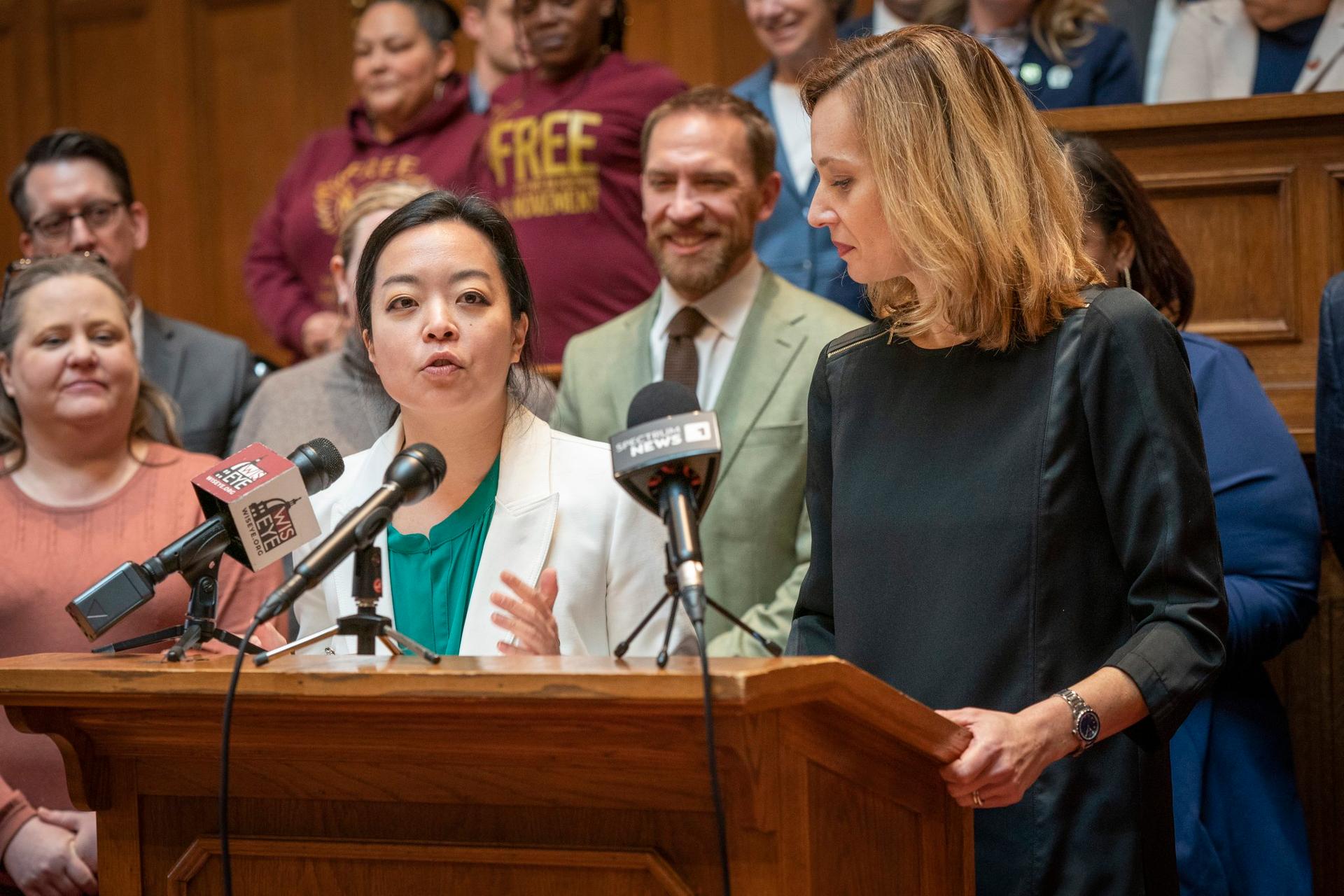
Francesca Hong represents Wisconsin's 76th Assembly District, which includes downtown and the east side of Madison.

Jan 26, 2026, 5:00 PM CST


Share
Francesca Hong entered the race for governor in September. She represents Wisconsin’s 76th Assembly District, which includes downtown and the east side of Madison.
Prior to her time in office, she worked as a chef and restaurant owner.
Hong appeared on the WXCO Morning Show with Chad Holmes and Isabela Nieto on January 26. Here’s what she had to say.
This conversation has been edited for clarity and brevity.
What would you do as governor if Wisconsin found itself in conflict with the federal government on high-stakes issues?
It’s important to recognize that the governor has one of the loudest microphones in the state and to declare very firmly and publicly that ICE is not welcome here. That is the first step.
There are several actions we can take via executive order, including making it clear that without a signed judicial warrant, ICE or federal agents are not welcome in public spaces. We can end 287(g) agreements and prevent law enforcement from participating with ICE agents.
I would also encourage the legislature to pass a series of bills introduced in August 2025, the Keep Families Together Act, which includes banning masked agents, requiring clear identification, ending 287(g) agreements, ensuring ICE cannot enter safe spaces like community centers, schools, or churches without a judicial warrant, and establishing grants so immigrants in immigration court have access to legal representation.
What role should Democrats be playing right now, and how can they be more effective?
It’s important that the public and constituents know that elected officials are fighting for them, and also fighting alongside them, whether that’s in the streets or by sharing resources like Know Your Rights materials, legal observer trainings, and ICE verification trainings.
There also needs to be clear, vocal opposition and a firm stance that the federal government cannot come into communities and try to control them. Everyone deserves to feel safe. Communities keep each other safe, and there should be community control, not authoritarian government.
Why have you chosen not to take donations from large PACs or Super PACs?
The campaign is meant to be powered by the community and for the community. When candidates take corporate PAC money, they become beholden to large donors instead of everyday people.
With over 7,400 individual donations, the campaign is accountable to people, not corporations.
What has your experience been like using social media as a candidate?
Meeting voters where they are includes digital spaces. The campaign has invested heavily in digital outreach, including social media and video platforms.
These platforms are where people are having important conversations and learning about elected officials. The focus has been on communicating clearly, answering questions, and making government more accessible.
What accomplishment in the state legislature are you most proud of?
One of the proudest accomplishments was passing bipartisan legislation requiring K–12 public schools to include Asian American history in their curricula through the Asian American Education Act.
How do you view the role of education in Wisconsin’s future?
Public education is one of the last remaining democratic public institutions and should be fully funded with public dollars.
Public funds should not be diverted to private schools. The focus is on fully funding public education, including 90 percent reimbursement for special education, as guaranteed by the state constitution. Public dollars should remain in public schools, and the voucher system should be phased out because the state cannot afford two parallel school systems.
What issues are you hearing most about from voters in rural communities?
Traveling across the state has highlighted concerns around public education, conservation, the climate crisis, and protecting public lands through full funding of the Department of Natural Resources.
Affordability is a major issue, including living wages, support for care workers, and elder care. The proposal to provide free breakfast and lunch for every child has resonated across rural, suburban, and urban communities.
What does “permanent affordability” mean, and how would you pursue it as governor?
Permanent affordability means increasing wages, ensuring local governments are properly funded, expanding health care access, and investing in child care.
This includes expanding Medicaid, creating a public option, providing universal child care, fully funding public schools, and guaranteeing paid leave so people do not have to choose between financial stability and caring for themselves or loved ones.
How would you pay for these proposals and shift the mindset of state government?
Government should be a force for good, especially during times of economic stress. A governor’s budget that includes universal policies sets expectations and establishes a clear agenda.
Revenue can be increased by reevaluating tax breaks for the wealthiest, legalizing marijuana to fund infrastructure investments, and cutting unnecessary spending. These investments strengthen families and expand economic opportunity across the state.
How would you address rural hospital closures and health care access?
No one should have to travel hours for quality health care. Excessive hospital profits can be capped and reinvested into rural hospitals and clinics.
Health care affordability can be improved through a public option and Medicaid expansion, along with strengthening the health care workforce pipeline through education funding and loan forgiveness programs.
Do you sense a desire for generational change in Wisconsin leadership?
There is strong support across generations for bold, progressive leadership. The campaign has built a multigenerational, grassroots coalition that is ready for new ideas and unapologetic leadership focused on dignity, opportunity, and quality of life.
Isabela Nieto is a reporter for Civic Media based in Wausau, where she reports for WXCO/Bull Falls Radio. She moved to central Wisconsin after stints reporting local and state news in Illinois. Reach her at [email protected].
Want More Local News?

Civic Media
Civic Media Inc.
The Civic Media App
Put us in your pocket.