

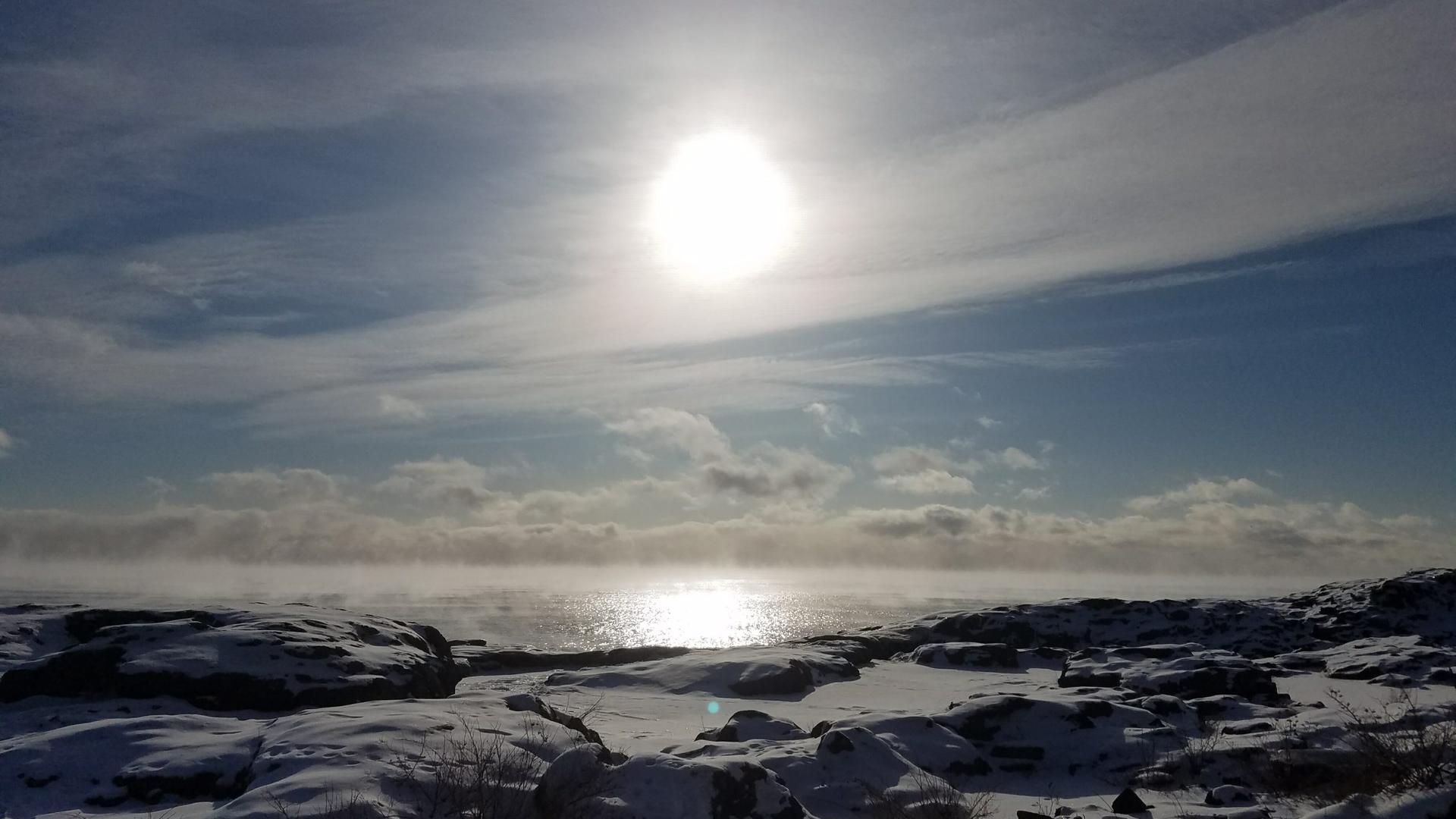
Source: Meteorologist Brittney Merlot
What is the winter solstice?
It's the shortest day of the year, but also a celebration of light and new beginnings. Here's how people have celebrated this ritual, and what's in store for Sunday.

Dec 19, 2025, 3:03 PM CST


Share
MADISON, Wis. —It’s the shortest day of the year, but also a celebration of light and new beginnings, with history and rituals rooted in rich culture.
The first day of winter is marked by the shortest day of the entire year. That means there are only seconds shy of 9 hours of daylight, leaving us with nearly 15 hours of darkness to start the season.
This is only true for the Northern Hemisphere, which is tilted furthest away from the sun during this time. This Sunday, Dec. 21, the sun will be at its lowest elevation out of 365 days.
At this point, the sun is directly over the Tropic of Capricorn, located at 23.5 degrees south of the equator. To picture this better, it’s positioned by Australia, Chile, southern Brazil and northern South Africa.
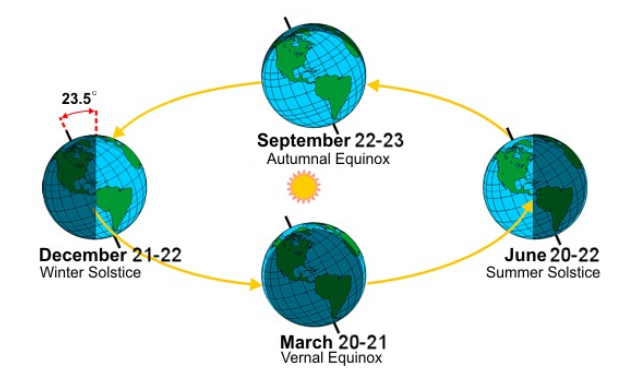
The days following will, in turn, get longer. Minute by minute, the sun will begin extending its stay each day for the winter season. In fact, by the next day we will gain an additional two minutes of daylight and by the end of the month, an extra whopping 45 minutes! Leading us up to the Spring Equinox on Friday March 20, 2026, which gives us an equal amount of daylight and darkness.
After that, hours of bright sunshine increase dramatically at their highest rate. Climaxing at the Summer Solstice on Sunday June 21, 2026, marking the longest day of the year.
Rooted in ritual
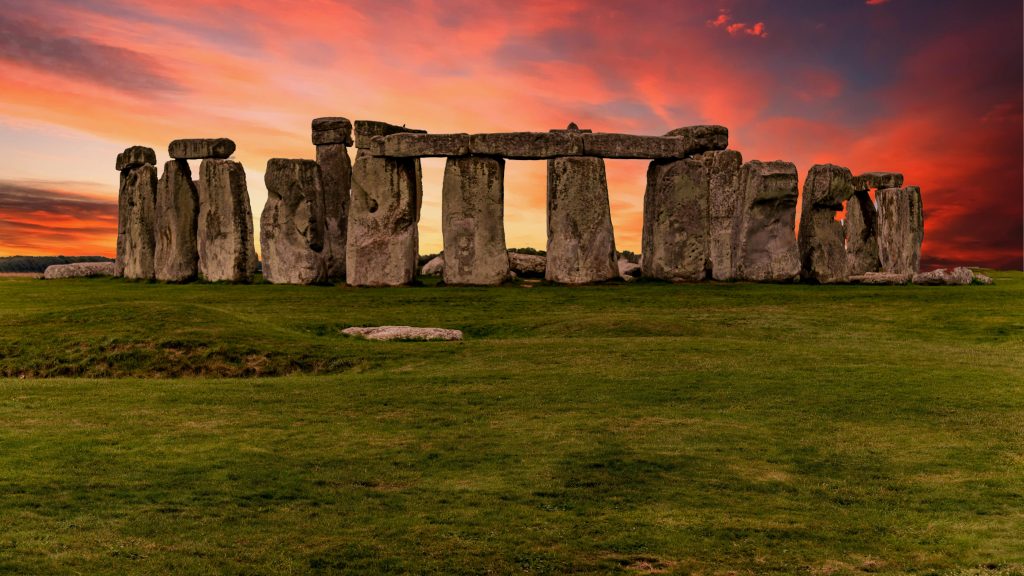
Rituals honoring the Winter Solstice may have started as early as the Neolithic period in 10,200 B.C., at the end of the Stone Age. Stonehenge itself is oriented toward the sunset of the Winter Solstice and as the sun sets on that day, it disappears behind the Heel Stone gap.
Some suggest that as the sun kept disappearing, celebrations and sacrifices were made to convince the sun to come back for warmth, harvest and survival. Ancient beliefs also honored life, fertility and the Sun’s power.
Yule is the reappearance of the sun, celebrated by many Pagans, Wiccans and the eclectic on the Winter Solstice. The Heathens, Asatruar and Norse start the 12 Days of Yule on the first full moon following the Winter Solstice.
Christians adopted this celebration, creating the Twelve Days of Christmas, a festive season beginning December 25th to January 6th. This is when the Church assigned specific feast days around Christ’s birth and revelation.
Now we unite Pagan roots with the modern celebration of light. People from all over the world continue to celebrate the darkest day, welcoming the returning sun and light. Ritually, the burning of the Yule log (often oak) in bonfires rids fears and ensures good fortune, symbolizing cleansing and new beginnings. A piece of the log is usually saved for the following year’s fire and ashes from the blaze are said to offer luck.
Solstice celebrations planned across the state
This year, bonfires across Wisconsin will burn bright December 21st, with many writing wishes or fears on a paper and tossing it into the flames, releasing them into the universe. Some vigils also keep a fire burning all night, awaiting the sunrise. Celebrations also include decorating logs with ribbons, plants and candles or even creating a Yule log shaped cake.

On Sunday at sundown in Madison, you can join in and “cast your cares and wishes for 2026,” with live music, warm drinks, and a bonfire lit at 4:30 p.m. Once it dies down, handwritten wishes will be tossed in by those who attend. This event marks its 24th year at Olbrich Park.
In the Kettle Moraine State Forest, people will be huddling around a fire sharing traditions and venturing out into the woods on a night hike. Deep in the trees they’ll be searching for the animals that are awake and braving the cold long winter night. Families are welcome and it’s hosted by the Wisconsin Department of Natural Resources.
Meanwhile, at the MacKenzie Center in Poynette, they’ll be sharing the cultural and historical significance of the day in detail and how winter affects our flora and fauna in the coldest months. A celebratory bonfire will cap the night off.
Over in Whitefish Dunes State Park in Door County, they will reflect on the past year and ring in the new one on a sunset winter solstice hike along the beach. Hosting a fire, drinking hot cider, guests are encouraged to wear costumes and light-up attire.
Or just look up
If you just want to step outside and take a look at the dark sky, in a rural area, the Orion Nebula, a swath of gas and dust, will be on display. Able to be seen with the naked eye, in the southeast sky. As you continue to look up, something might shoot by. The Ursid Meteor Shower will be active as well and is expected to produce up to 10 meteors per hour.
As the darkness settles into its deepest, it’s not all about feeling down. Although the lack of sunlight is linked to Seasonal Depression Disorder. Just remember, the first day of winter marks longer days ahead!

Brittney Merlot is Civic Media’s Meteorologist. Email her at [email protected].
Want More Local News?

Civic Media
Civic Media Inc.
The Civic Media App
Put us in your pocket.